Med Beds – Fix You

“Med beds,” short for “medical beds,” are a concept often mentioned in the context of advanced medical technology, futuristic healthcare, or science fiction. They are imagined as highly advanced medical devices that can diagnose, treat, and heal a variety of ailments, often with little to no invasive procedures. Here are a few contexts in which “med beds” are discussed:

  1. Science Fiction: In many sci-fi stories and movies, med beds are portrayed as futuristic devices capable of instantaneously diagnosing and curing illnesses, repairing injuries, and even regenerating lost limbs. They often utilize advanced technologies like nanotechnology, lasers, and artificial intelligence.
  2. Conspiracy Theories and New Age Beliefs: Some conspiracy theories and new age beliefs propose the existence of highly advanced medical technologies, including med beds, that can heal nearly any condition. These claims are often not supported by mainstream science or medicine and should be viewed critically.
  3. Hospital Equipment: In a more grounded sense, “med beds” can refer to the specialized beds used in hospitals and medical facilities. These beds are designed with various features to aid in patient care, such as adjustable height, head and foot positions, and sometimes built-in monitors or medical equipment.

Healing Bob’s Son

Luke 21:23 How terrible it will be for pregnant women and for nursing mothers in those days. For there will be disaster in the land and great anger against this people.

“Let food be thy medicine and medicine be thy food.” – Hippocrates

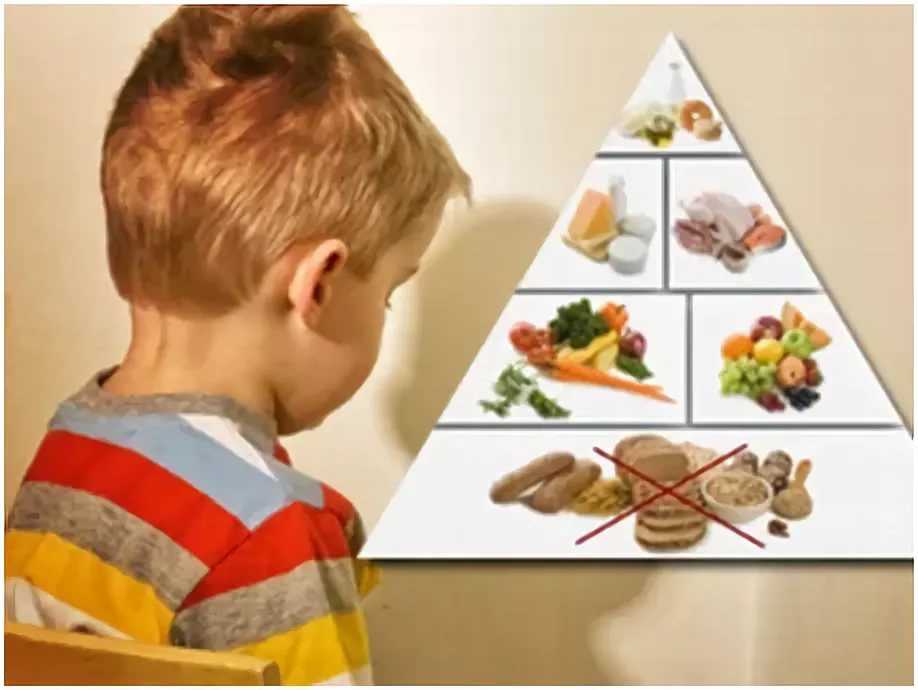
Dr. Douglas Howser, a fictional integrative physician and neurodevelopmental specialist, offers his holistic food-as-medicine prescription for supporting children and adults on the autism spectrum. His approach blends ancestral wisdom, modern research, and personalized nutrition. He focuses on reducing inflammation, supporting the gut-brain axis, and optimizing detox pathways.


🔹 WATER (Hydration & Detox Support)

  1. Spring Water – Naturally mineralized and structured.
  2. Reverse Osmosis Water + Trace Minerals – Clean base, remineralized for balance.
  3. Alkaline Water (pH 8-9) – Used short-term to reduce inflammation.
  4. Hydrogen-Rich Water – Supports mitochondrial health.
  5. Structured Water (vortexed) – Theorized to improve cellular absorption.

🍵 TEAS (Calm, Focus & Detox)

  1. Chamomile Tea – Calms anxiety, helps with sleep.
  2. Tulsi (Holy Basil) – Adaptogen that reduces cortisol.
  3. Ginger Tea – Anti-inflammatory and supports digestion.
  4. Lemon Balm Tea – Calms the nervous system.
  5. Nettle Leaf Tea – Supports detox, full of trace minerals.
  6. Dandelion Root Tea – Liver detoxifier.
  7. Green Tea (decaf) – Contains L-theanine for focus.

🍹 JUICES (Enzymes & Antioxidants)

  1. Celery Juice (AM, empty stomach) – Gut healer, lowers brain inflammation.
  2. Carrot-Apple-Ginger Juice – Liver support, rich in beta carotene.
  3. Beet-Kale-Cucumber-Lemon Juice – Detox pathways and nitric oxide boost.
  4. Blueberry Juice (diluted) – Brain-protective antioxidants.
  5. Fresh Wheatgrass Shots – Chlorophyll and amino acids for cell repair.

🥗 FOOD (Gut-Brain Healing)

✅ Emphasize:

  • Wild-Caught Fish (Salmon, Sardines) – DHA/EPA for brain development.
  • Pasture-Raised Eggs – Choline, essential for myelin sheath.
  • Organic Vegetables (especially green & cruciferous) – Detox and fiber.
  • Fermented Foods (sauerkraut, kimchi, kefir, coconut yogurt) – Microbiome repair.
  • Bone Broth – Collagen, glutamine, gut lining repair.
  • Berries – Antioxidant-rich.
  • Pumpkin and Sunflower Seeds – Zinc and magnesium sources.
  • Gluten-Free Whole Grains (quinoa, millet) – Gentle on digestion.
  • Coconut Products (oil, milk, butter) – MCTs for brain energy.

❌ Avoid:

  • Refined sugar
  • Artificial colors/flavors
  • Casein (A1 dairy)
  • Gluten (especially from modern wheat)
  • Processed seed oils (canola, soybean)

⚗️ MINERALS

  • Magnesium (glycinate or threonate) – Calms nerves, supports sleep and bowel function.
  • Zinc – Required for over 300 enzymes, key in gut lining and immunity.
  • Selenium – Antioxidant defense.
  • Lithium Orotate (microdose) – Neuroprotective in small quantities.
  • Manganese, Molybdenum, Chromium – Support detox and blood sugar regulation.
  • Iodine + Tyrosine – For thyroid function (careful dosage).

💊 VITAMINS

  • Vitamin D3 + K2 – Anti-inflammatory, supports immunity.
  • B-Vitamin Complex (methylated forms) – Supports neurotransmitter balance.
  • Vitamin A (cod liver oil or retinyl palmitate) – Critical for brain and immune development.
  • Vitamin C (liposomal) – Reduces oxidative stress.
  • Vitamin E (mixed tocopherols) – Protects neural tissues.

🌿 HERBS & ROOTS

  • Ashwagandha – Reduces stress and supports focus.
  • Rhodiola Rosea – Adaptogenic, helps mood and energy.
  • Gotu Kola – Brain circulation and neurogenesis.
  • Bacopa Monnieri – Improves memory and cognition.
  • Turmeric (with black pepper) – Potent anti-inflammatory.
  • Lion’s Mane Mushroom – Neurogenesis and myelin support.
  • Ginkgo Biloba – Brain blood flow.
  • Reishi & Chaga – Immunomodulation and gut support.
  • Slippery Elm & Marshmallow Root – Soothes gut lining.

🧠 Bonus Therapies

  • Probiotics (rotated strains) – Support microbiome diversity.
  • Prebiotics (inulin, acacia fiber) – Feed beneficial bacteria.
  • Digestive Enzymes – Help break down food and prevent leaky gut.
  • Colostrum (bovine, grass-fed) – Immune and gut healing.
  • Glutathione or NAC – Master antioxidant & detoxifier.
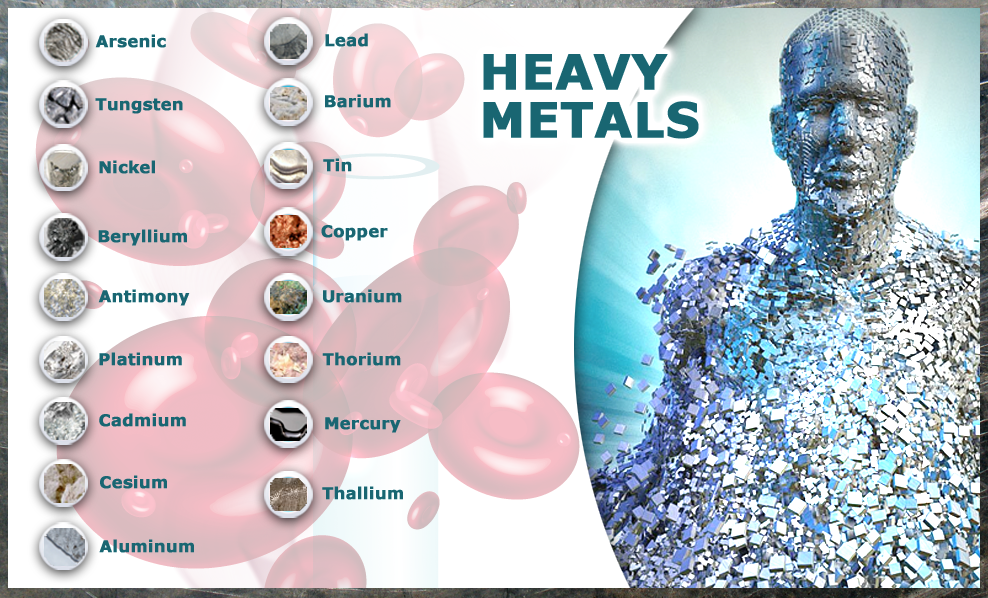
  • Activated Charcoal or Bentonite Clay – Gentle toxin binders.

🧾 Sample Daily Schedule:

TimeAction
MorningLemon water + celery juice → Bone broth breakfast + probiotics
Mid-MorningMagnesium + B-vitamins + herbal tea
LunchWild fish + steamed veggies + fermented food
AfternoonFresh juice or smoothie + lion’s mane capsule
DinnerCooked root veggies + lean protein + leafy greens
Before bedChamomile tea + magnesium + CBD or melatonin if needed

Note from Dr. Howser:

“Healing autism is not about curing identity – it’s about reducing pain, inflammation, and supporting the unique brilliance of each child. Food is not a miracle, but it’s the foundation of all healing.”

Simpson Bone Cancer Remedy

“Let your food be your medicine…

…and your medicine be your food.”

This quote from Hippocrates shows us how much conventional medicine has changed over the years.

If you’re wondering where you’ve seen that name before, you may have heard of the Hippocratic Oath that doctors take to “do no harm” etc. Though the words themselves were probably not penned by Hippocrates, he is attributed with being the father of modern medicine.

Ironic that modern medicine tends to rely on so many synthetic drugs. Looks like the naturopaths are onto something if Hippocrates himself advocates using nutrition as medicine.

“The doctor of the future will give no medicine…

…but will interest his patients in the care of the human frame, in diet and in the cause and prevention of disease.”

Thomas Edison may not have been a doctor, but he sure was onto something. We haven’t gotten there quite yet, but with the growing interest in naturopathic medicine and getting back to natural remedies we might be getting there.

Keto Pyramids

Dr. Douglas Howser: Welcome, everyone! Today, we’re diving into the basics of the Keto Diet and the Keto Food Pyramid. Whether you’re new to this way of eating or looking to fine-tune your approach, let’s break it down in a simple and digestible way.

What is the Keto Diet?

The ketogenic diet, or “keto,” is a low-carb, high-fat eating plan designed to shift your body into a state of ketosis. In ketosis, your body burns fat for fuel instead of carbohydrates, which can help with weight loss, mental clarity, and energy stability.

The Keto Food Pyramid

Unlike the traditional food pyramid, which emphasizes grains and carbohydrates, the Keto Food Pyramid prioritizes fats and proteins while limiting carbs. Here’s how it looks:

1. Base of the Pyramid – Healthy Fats (70-80%)

Healthy fats form the foundation of the keto diet. These include:

  • Avocados
  • Olive oil & coconut oil
  • Butter & ghee
  • Nuts & seeds (almonds, macadamias, chia seeds)
  • Fatty fish (salmon, sardines, mackerel)

2. Mid-Level – Protein (20-25%)

Moderate protein intake is key to preserving muscle mass without disrupting ketosis. Good sources are:

  • Grass-fed beef & poultry
  • Eggs
  • Pork
  • Fish & seafood
  • Cheese (in moderation)

3. Top-Level – Low-Carb Vegetables (5-10%)

Carbs are restricted to 20-50g per day, mainly coming from:

  • Leafy greens (spinach, kale, lettuce)
  • Cruciferous veggies (broccoli, cauliflower, Brussels sprouts)
  • Zucchini, peppers, cucumbers, and asparagus

Foods to Avoid:

  • Sugar & processed foods
  • Grains (bread, pasta, rice, cereals)
  • Starchy vegetables (potatoes, corn)
  • High-sugar fruits (bananas, grapes, oranges)

Final Thoughts

The keto diet is not just about eating fat—it’s about choosing the right kinds of fats, proteins, and carbs to fuel your body efficiently. By following this pyramid, you can stay in ketosis, improve energy levels, and support overall health.

Stay tuned for more insights on keto living! Until next time, eat well and stay healthy!